
Tips

The colder months of the year bring most things to a halt in the garden. The last roses have dropped, the sedums are turning brown, and leaves cover everything. While it’s too chilly to plant anything apart from the hardiest winter greens, now is the perfect time to plan for next year. Your garden will soon be in bloom again, with seedlings growing throughout the spring and an explosion of colour and fresh produce in the summer.  Planning your Summer Garden If you’re starting a garden for the first time, this article will help you take the first steps towards creating a beautiful outdoor space and help you avoid common mistakes. For seasoned gardeners, now is the time to consider what you have learnt this year and plan for next year. What was most successful? What didn’t work, and why? Think about which plants are producing seeds that you can collect to plant in spring, and which crops will need rotating to replenish the soil. This article will help you decide what you can try out for next year.  -Make a Garden Map - Find the Sun - Jobs to Do Now for Your Summer Garden Make a Garden Map Making a sketch of your ideas is a good place to start. Draw a rough map of your garden, noting which areas get full sun and where the shadows gather. Plan where you want to put new beds, pathways and ponds. Collect images of flowers and gardens you like for inspiration. When you’ve assessed your available space, these clippings and sketches will help you choose where to put your plants. Rotating vegetable crops is important to give the soil time to recover. Don’t replant tomatoes or beans in the same place, as they won’t be successful a second year. Peas and beans release nitrogen into the soil, so their previous patches will be primed for nitrogen lovers like beetroot, broccoli and potatoes. Find the Sun Different plants require different levels of sunshine to flourish. For example, Dahlias, Echinacea and Cosmos need to be in full sun for 6 hours each day, whereas Campanulas and Foxgloves favour shady areas. There are plants available for every garden, and if you’re observant of the sun throughout the year, you’ll get to know which corners are sunny and which stay dark. To find out which way your garden faces, stand facing it with a compass or use the compass app on your phone. The needle will show you which way is North so that you can work out which direction your garden faces. If your garden is south-facing with few trees, you’re in luck. Summer will give you full sun everywhere for most of the day. If you are shaded by trees or high fences, look for plants that prefer ‘dappled shade’, such as Tiarella or Acer. If your garden faces east, your garden will be in shade during the hottest part of the day. Choose plants that favour partial shade and need shelter from strong sunlight. The brightest areas of your garden can support plants that need full or partial sun. White flowers are a good choice for east-facing gardens, as the evening shade can make them appear brighter, attracting pollinating moths. A west-facing garden is shady in the morning and sunny in the afternoon and evening. Choose plants that favour ‘partial sun’, which will be able to withstand the morning shade and enjoy the stronger light in the afternoon. Perennials such as fuchsias can grow well in these conditions. If you’re growing your own vegetables, tomatoes, squash and beans will soak up the warm sun. North-facing gardens are usually mostly shaded, but between May and October, the back wall of your home will receive bright sunlight in the early morning and evening. A trellis for climbing plants that enjoy partial shade, such as Virginia Creeper. Many delicate and beautiful plants love the shade, particularly those that are found in woodland areas, such as violets and clematis. Jobs to Do Now for a Summer Garden Clear Overgrown Areas Blitz weeds and grassed-over beds during the colder months when growth is slowest. Do it now so that you can focus on the fun of planting come springtime.  Remove nuisance plants and trees that don’t add anything to your garden. If a large shrub or hedge is shading your flowerbed, hire a hedge trimmer to bring it down to size before nesting season begins. Coniferous trees can take large amounts of nutrients and dry out your soil. If you’d rather use the space for flowering plants or vegetables, consider having the tree removed. The professional gardeners at Coleshill Mowing can help with bigger jobs like these. Make New Beds If you’re thinking of putting in new flower-beds or raised beds, aim for places that get the most sun. You should remove the turf from these before the ground freezes and cover with a mulch such as a leafmould or well-rotted manure. The nutrients will be drawn down into the bed by worms, so you don’t have to do so much digging and turning. Alternatively, you can simply cover an area of grass with a few inches of compost and mulch to follow radical gardener, Charles Dowding’s ‘No Dig’ method. The compost will smother the grass and weeds and create a nutritious bed to start your plants in the spring. Improve Your Soil Test the soil in a few areas to check the type and quality you have before choosing your plants. Scoop up some soil in your hands on a dry day and rub it between your fingers to make a ball. If it’s gritty and crumbles easily, your soil is sandy, meaning it provides good drainage and warms up quickly in spring. However, sandy soil doesn’t hold nutrients well in rainy periods, so add plenty of organic matter to get the best results. If it is sticky like clay, don’t be discouraged. Clay soil is very fertile and moist, and roses, daylilies and hydrangeas take to it well. Improve your clay by mixing in generous helpings of compost, grit or bark.  If it rolls into a ball easily but doesn’t hold its shape as well as clay, you have loamy soil, which is easy to work, doesn’t drain too freely but also doesn’t become waterlogged. Loam is just right, and you can plant straight into it in spring   Collect Containers and Cloches for Seedlings In Coleshill and Chelmsley Wood, the average last frost date is between May 1-10. This means delicate seedlings such as sweet peas should be protected until the last few weeks of spring. Prepare space in your greenhouse, or collect cloches and fleece to tuck them in in the ground. A cheap alternative to commercial cloches is to use large plastic bottles, cut lengthways. Order Seeds for Spring Once you’ve mapped out the sunny spots and determined your soil type, you can choose plants to fit your garden. Have a look through seed catalogues and mark summer flowering varieties. Make sure you get your order in before it’s time to start sowing.   Tips for Choosing Plants for a Summer Garden Choose a range of colours to create a stunning visual display. Look for cut-and-come-again varieties such as Cosmos, which will flower longer when you cut a few flowers to bring inside. Choose varying heights to make use of the full depth of your flowerbeds Don’t forget bedding plants to fill the gaps between your showpieces. Plants such as Begonias, Marigolds and Cornflowers will work almost anywhere. Be careful not to overcrowd your beds. Most flowering plants need at least a 30cm square to themselves. Without this, your plants will be stunted and may not flower at all. If you’re stuck for space but have a patio or balcony, choose varieties that do well in pots and containers. Choose flowers to attract pollinators. By creating a bee-friendly garden, you’ll have a beautiful display of insect life including butterflies and even dragonflies, as well as the birds that come to eat them. Native varieties such as cornflowers, comfrey and hollyhocks flower early in summer and will give your garden a country cottage aspect. Plan to Grow Your Own Fruit and Vegetables Growing your own vegetables is becoming popular in gardens around the country, as people move towards sustainable living. You can plan your vegetable garden in much the same way as a flower garden; at the end of the day, plants are plants. Most need sun, water and well-drained soil.  Tips for Summer Harvests By planning early and starting your seeds in March, you can see your first harvests in May and June with fast-growing vegetables such as lettuce, carrots and radishes.  Plant peas straight into the ground as soon as the soil is warm. Build a trellis or beanpole structure for runner beans to climb. Reserve your sunniest spots for tomatoes and courgettes for gorgeous yellow flowers and bright fruits. If you have lots of space in a sunny spot, there are plenty of summer squashes to try. These large fruits can be a whole meal in themselves. Our favourite is the spaghetti squash, the insides of which form long strands that are easy to scoop out and cook like pasta. Don’t forget herbs! Rosemary, sage, thyme, mint and fennel grow fantastically in amongst the rest of your plants and offer great floral displays as a bonus. Coleshill Mowing - Here to Help Our professional gardeners are here to help with the heavy lifting of regular garden maintenance. We offer regular maintenance, lawn-mowing, strimming and hedge-trimming services to keep your garden looking perfect. Resources: Gardener's World - Best Summer Shade Plants First Tunnels - Which Way is your Garden Facing? Gardener's World - Plants for Dappled Shade Garden Design - Summer Flowering Plant List ...

October brings beautiful crisp blue skies framed by fiery coloured falling autumn leaves – the perfect backdrop for mid-autumn garden maintenance. The last of the cool sunny days are the ideal time to harvest your remaining crops and prepare your greenhouse for the colder months. As November arrives with windier and wetter weather, protecting your garden against the elements becomes the priority. This article is divided into several sections:       General garden maintenance jobs       Protecting and planting flowers       Harvesting, growing and storing autumn vegetables       Preparing berries and fruit trees for cooler months       Reflecting and forward-planning   Use the entire piece as your autumn garden companion or jump to the areas most relevant to you.   Garden Maintenance Jobs for October and November Give Your Greenhouse an Autumn Clean Greenhouses provide the perfect refuge for your more tender plants over winter, but it’s crucial to keep the area pest and fungi-free. With summer’s bounty well behind us, your greenhouse will probably have ample space come October. Make the most of the extra room to give your greenhouse a thorough clean. A horticultural disinfectant that is antibacterial, antifungal and antiviral will help clear your greenhouse of any unwanted pest that may cause problems in future crops. A deep clean will also clear the glass of any grime and let more light in – essential over the darker winter months. For the same reason, take down any shading that you currently have in place. When you begin to move plants inside, make sure not to undo all your hard work. Check your plants for pests such as aphids and remove any dead or decaying matter. Try to organise them with ample space and good ventilation. You can protect your plants further by insulating your greenhouse with bubble wrap inside the frame. Again, make sure to keep the space well-ventilated. As the clocks go back and the dark nights set in, install solar lights in your greenhouse so you can continue working. The sun doesn’t need to dictate the time you spend outside: some warm clothing and a decent light can help you get your daily dose of fresh air. Protect Your Plants from Frost Plants that won’t withstand winter frosts unprotected should either be brought into the greenhouse or covered with a fleece or cloche. Protect cauliflowers that are producing florets over the winter by pulling their leaves over the top of them and tying the leaves in place with string. A cloche will similarly protect them from frost. Outdoor containers should be moved into more sheltered areas and bubble wrapped to insulate against the cold. It’s also worth raising the containers onto pot feet to prevent them becoming waterlogged during the wetter months. Make Your Own Leaf Mould All of those falling autumn leaves create the ideal hiding place for pesky slugs and snails. Clean up your garden and make the most of this plentiful resource by creating your own leaf mould. It’s a straight-forward process that can require little more than a few bin liners. Leaf mould is your very own homegrown compost - it’s free! It’s packed with nutrients that your ordinary kitchen-scraps compost lacks and you can use it as a soil conditioner all year round. Prevent Soil Compacting With wetter weather, it is easy for your soil to become compacted as you gather the last of the season’s crop and bring things in to shelter. To avoid this, place planks down on your main access routes to spread out the impact, offering some protection from your footsteps. Tie Down Delicate Flowers and Plant Out Hardy Winter Varieties Once they have finished flowering, delicate climbing roses should be tied in to protect them from strong autumn winds. Whilst you’re tying them, clear away any fallen leaves that may harbour black spot. This fungus can stick around over winter and reappear in your spring blooms, so it’s best not to compost it. A few hardier blooms can be sown even at this time of year. Sweet peas can be planted in a cold frame or your greenhouse for early spring flowers. Perennials including foxglove and lupin can also be started off in the greenhouse in November. Spring bulbs can be planted directly outdoors right through October and November. Daffodils, tulips and alliums can all be started now to create a wonderful spring display.  Wildflower seeds will similarly be ready by spring and encourage bees and butterflies. Autumn Vegetables to Harvest Beans and Peas The last of your beans and peas will need harvesting now. As these plants release nitrogen into the soil, clearing the area couldn’t be easier. Simply cut the stem back and leave the roots to completely break down. Avoid planting them in the same spot over consecutive seasons. Instead, make the most of this area for nitrogen-loving plants such as green leafy vegetables and rhubarb. Pick a new spot for next years’ peas and beans. You can prepare this now by digging trenches and filling them with nutrient-rich kitchen waste and manure. Squash and Pumpkins With Halloween fast approaching, harvest your pumpkins before the first frosts hit. If left outside, pumpkins and squashes can become mushy - hardly ideal for carving! Parsnips Unlike pumpkins, parsnips do well in the frost as the colder weather creates a sweeter flavour. Harvest them towards the end of November and you’ll be rewarded for waiting.   Autumn Vegetables to Grow While it may be time to harvest the majority of what’s left in your garden, there are still a few vegetables that will continue growing in October and November. Cabbages When you harvest the last of your cabbages, cut them off at the root and make a shallow cut in the stem. This will encourage the last flush of smaller leaves to grow. You can also now plant out your spring cabbages. Hardy Leafy Greens Leafy greens will continue to grow right through autumn and winter. Winter lettuces such as corn salad (lamb’s lettuce) can be grown and harvested all over autumn and winter. Ripening and Storing Vegetables Indoors You may still have green tomatoes and peppers yet to mature. To give them the best chance of ripening, bring them indoors and hang them upside down. It’s common to be left with some green tomatoes even at the end of an excellent growing season. Rather than let them go to waste you can make all sorts of green tomato sauces and chutneys, a perfect addition to your Christmas cheeseboard.   For vegetables that you are already storing, including potatoes, onions and garlic, check for any rotting material. The neck of garlic and onion bulbs is normally the first place to rot. Onion bags and hessian potato sacks will help your crop breathe while in storage. Preparing Berries and Fruit Trees for the Cooler Months Raspberries and Strawberries Most berries require some work before the winter. For your raspberries, cut back this years’ fruited canes to make way for the younger, green canes that you will use next year. Protect these new canes from autumn and winter winds by tying them to fencing or support wires. Clear away any straw from the base of your strawberry plants, this will provide better ventilation in the wet months. As with your raspberries, you also need to cut back old foliage to make room for new growth. Fruit Trees If you have apple trees, your fruit should be ready to harvest now. You can easily check by giving the fruit a gentle pull if it comes away easily, your crop is ready. To avoid caterpillars causing problems in the spring, wrap grease bands around the trunks of the trees. This can be done on any of your fruit trees to stop overwintering pests. Grease bands will trap wingless winter moth females as they attempt to climb the trunk and lay their eggs in the branches. It is these eggs that will grow to become the caterpillars that will cause you trouble later on. Once you have harvested all of your fruit, birds that you previously worked so hard to keep out can now be let in. Remove any netting so that birds can catch any pests that make it past your grease bands. We would also recommend putting out bird feeders and additional bird food. Birds are a gardener’s friend over winter, keeping out unwanted pests. Help them out by providing a little extra food during the sparser months. Reflecting and Forward-Planning  Once your plants are dormant, now is the time to relocate them. When you have decided where your vegetable beds will be, spread fresh manure over the ground. This will rot down over the winter and give your crop a nutrient-rich soil next year.  Now that the flurry of summer activity is most definitely over, the cooler, quieter months are the perfect time for reflection and planning ahead. Between garden maintenance and autumn preparations, take some time to think about what worked and what didn’t this season. Jot down any ideas you have or seeds that you would like to buy ready for next season.    ...

Summer’s glut is tailing off, and summer flowers are going to seed. While it’s not quite autumnal weather every day yet, the cooler nights and occasional gusty winds can make trouble for fragile plants. Make the most of the last of the sun and increase your vitamin D intake by preparing your garden for autumn. What to do in the Garden in September? The start of autumn is time for a little maintenance. We want to extend the flowering and fruiting of our plants as long as we can, help our parched and patchy lawns recover from the long August heat, and get our perennials, shrubs and trees back in line after months of wild growing. There are also pests and diseases to watch out for as the damp weather comes in, and jobs to do in preparation for next spring. This article divides jobs into four areas: Lawn, Flowers, Fruit & Veg and Maintenance, so you can find the most relevant jobs for your garden. How can I keep gardening into Autumn? As the days grow noticeably shorter and school term-time resumes, it’s easy to fill the daylight and lose momentum in our gardening. The evenings are gloomier, and after a long day at work we can struggle to find the motivation. Get out for a few minutes each morning to get smaller jobs out of the way and save bigger jobs for weekends. Remind yourself how good gardening is for your mental and physical well being and try to connect with nature in some way every day. Revitalise your Lawn after Summer Hot, dry weather, together with lawn chairs, paddling pools and endless summer football matches, can leave our lawns looking worn out come September. Luckily, grass is a hardy plant and used to stress, and it will bounce back with just a small amount of care. This is the time of year when grass growth slows, so adjust your lawnmower to raise the height of the cutting blades and mow less frequently as we progress into Autumn. Longer, less stressed grass is better able to survive any September heatwaves, and is less likely to tread down or churn into mud once the rain is falling steadily. An extra boost can come from aerating your lawn. You can aerate your lawn to give both grass and soil a chance to breathe deeply, encouraging new root growth and improving drainage. Make small holes in your lawn, a few inches apart, using a garden fork, a spiked roller or aerator. Some even invest in some spiked soles that strap onto wellies, and stamp about in the grass!  Apply a potassium-rich autumn lawn feed. You can buy these in most garden centres, or make your own using fruit-waste such as banana peels or hardwood ash (the original source of potash). You can spread ash on your lawn as it is, or sink a mesh bag of fruit-waste in a lidded bucket of water for a few weeks. Lift the bag out and water your lawn with your DIY fertiliser. September is an ideal time to create areas of new lawn, either with cut turf or growing from seed. The cooler weather and increased rainfall increases the chances of turf taking root. Plan for Spring and Sow New Flowers September is a great time to plan colourful floral displays to look forward to in spring and early summer. Sowing in autumn gives seeds ample time to root, producing bigger flowers next year. Some seedlings will require a cold frame, propagator or greenhouse to survive the winter, though a sunny window-sill will do. Sow sweet peas, hollyhocks and lupins in a greenhouse or cold frame to plant out in March for blooms in spring and early summer. You can sow other hardy annuals such as forget-me-nots, wallflowers, calendula, delphiniums, cornflowers and poppies in beds where they are to grow. Scatter them randomly for surprises next year or arrange in rows for a neater look. Plant spring-flowering bulbs such as snowdrops, daffodils, crocuses and hyacinths, while the soil is still warm and the roots can really get going. Dig a hole twice as deep and twice as wide as the bulb and layer a little grit or sand at the bottom. Push and twist the bulb’s roots (like a lightbulb) into the hole and cover with soil. Don’t forget to label where you put them! You can fill any gaps in your beds with late-flowering plants, such as sedums, salvias and asters, to provide a rich source of nectar for our friends, the pollinators.  Growing Fruit and Veg in September If you, like so many, have taken to growing your own fruit and vegetables, the end of summer’s bounty can be disheartening. However, there is still plenty to do to ensure your garden keeps producing beautiful vegetables into autumn and for years to come. Remove lower, dying leaves of tomatoes and squashes to avoid fungi travelling to the fruit. Help fruits ripen by getting rid of any shading leaves. If your tomatoes are still green, you can bring plants indoors to ripen before the weather turns cold, or make delicious green tomato chutney! Pot up herbs such as chives and parsley to bring indoors for use in winter dishes. Pot strawberry clones. Lift the runners your plants have put out, and any soil they’ve claimed, into pots. These make fantastic gifts for friends keen to join the grow-your-own movement. Sow hardy greens such as kale, lamb’s lettuce and mustard for a steady supply of fresh greens during winter months. You can also sow hardy peas and broad beans under glass for early crops in February and March. Plant onion and shallot sets for larger yields next summer. Choose a sunny spot and place the bulbs into soil 10cm apart with the tips showing. Collect seeds from chard, beetroot and spinach beet. Leave a few carrots in the ground to go to seed, and allow beans and peas to over ripen before drying and storing the seeds for next spring.  Now is the time to pick and store apples and pears. Eat them fresh, cook into pies and tarts, or store them for winter. To keep fruit fresh, lay them separately in crates or trays lined with newspaper sheets and store in a cool dry place such as a shed.  Autumn Garden Maintenance The beginning of the leaf fall is not, as many would consider it, the ‘end of the gardening year’. In forest ground, rotting leaves provide valuable nutrients for trees and undergrowth to store and increase growth in the spring. You can harness the nutritional power of leaves and tidy your autumnal garden by collecting and storing leaves to make leaf mould to use as a mulch or compost mix later. Check supports on weaker plants such as new trees or shrubs to ensure they are protected during windier weather. Keep deadheading flowering plants such as roses, marigolds, dahlias and delphiniums to encourage continued displays of colour.  If your perennials are fading, cut them back a few inches. Even at this late stage in the year, this will encourage new growth.  Now is a great time to trim conifers and evergreen hedges to neaten them up and control their height. Trimming box hedges can help prevent fungal diseases. Remove and destroy any leaves with black spots or brown rust, as these indicate diseases that can affect most garden plants. Avoid adding these to compost, as the disease can survive the composting process and recur the following year. Winding Down for Winter The joys of gardening are felt by so many throughout summer. Putting in work to create an enjoyable and even productive space to spend those sunny days is both satisfying and revitalising, and those health benefits can continue all year round. Like the trees, your garden needs to rest and conserve energy during winter, but under the surface, bacteria and fungi are hard at work decomposing your leaves and compost heap. By fertilising, trimming and harvesting seeds, you are reducing your workload in Spring and preparing your garden for the cold weather. These jobs should help you prepare for the Spring, a reminder that winter is not the end, but a hiatus. If, like so many, you suffer from Seasonal Affective Disorder (SAD), in which the darkening days of autumn and winter cause low moods and even depression, carrying on in the garden can be a source of solace. Gardening throughout autumn helps restore your supply of vitamin D, strengthening your immune system and your circadian rhythms. It can also provide reassurance of the continuation of the beauty and bounty you have cultivated. Enjoy tracking the slow cycles of your garden and ground yourself in nature’s recurrence for years to come. ...

Those first signs of spring are something special. As if by magic, snowdrops seem to bloom overnight and daffodil bulbs begin to push their way to the surface.  As our evenings start to get lighter, it’s time to think about preparing your garden for spring. While those warm, blossom-scented days might seem like a long time away, there are plenty of things you can do now to get your garden ready for the growing season. With the right plans in place, you’ll be able to enjoy your garden throughout the summer months.  Getting ready for the warmer weather doesn’t have to be difficult or complicated. To help you prepare your garden for spring, we’ve put together our top spring gardening tips below.  Clear your garden of leaves and weeds During the winter, many of us leave our outdoor spaces untended. After all, no one likes to spend a cold, rainy afternoon tidying up the garden! However, as spring approaches, it is important to take the time to clear away any debris. Dead leaves, weeds and twigs will get in the way of new growth and may impact your success when the warmer months approach.  You can put leaves and other debris on your compost heap to breakdown. If you remove any weeds, remember to put these in your brown bin. These hardy plants will take any opportunity to germinate if placed on your compost heap, causing more problems when spring arrives. As well as clearing out your flower beds and planting areas, it might be a good idea to tend to the rest of your outdoor space too. If your patio has collected debris, take the time to sweep up now. It’ll be one less job on your to-do list when the weather gets warm.  Prune trees and shrubs Many of us prune our perennial plants in autumn, but it’s not too late to cut back now. Many shrubs, trees and plants are still dormant, giving you time to trim before the spring comes. Shrubs that have finished flowering, hedges, deciduous trees and grasses all benefit from a winter prune. Just be sure to cut back in the right way to promote growth when you prepare your garden for spring. If you want to move plants around your garden, this is an excellent time to tackle that task too. Do your best to take as much of the root as possible to ensure good growth in your shrub’s new location. Don’t forget to water your plant well after moving to keep it healthy.  Like we mentioned above, late winter is an ideal time to cut back deciduous grasses. However, you might want to leave these in your garden until the springtime to ensure wildlife has shelter during the sparse winter months.  Remove unwanted pests Pests are a problem in every garden. The good news is that there is plenty you can do to reduce pests attacking your plants during the warmer months. Many pests hibernate during the winter, making it a prime time to destroy their habitats before they become a nuisance.  To prepare your garden for spring, we suggest taking a close look at your plants for any signs of pest infestation. Aphids, slugs, snails and larvae can all shelter in your garden, so it will be important to remove them before spring arrives. You can buy (or make) specialist winter washes, which are designed to destroy any wintering pests.  If a cold spell is on the horizon, you may want to turn over your plant beds to expose pests to frost. It could be worth doing this anyway, as birds will appreciate the extra snack during the sparse winter months! Prepare your soil While we might not be enjoying the warm weather yet, temperatures are beginning to heat up. That should mean your soil is workable, giving you the perfect opportunity to dig in some organic matter. Doing this will help to make sure your beds and planters have the right nutrients when the time comes to plant. If you have spring bulbs or other perennial plants, adding some nutrient-rich compost or manure will give them a kick start before the growing season.  Scrub your greenhouse If you’re wondering how to prepare your garden for spring, it’s worth remembering that it’s not all about your plants and soil. Garden structures need attention too, and doing regular maintenance can even help your new plants thrive. For example, if you have a greenhouse in your outdoor space, it’s a good idea to use the quiet winter months to spruce them up.  To prepare for spring, wash your greenhouse both inside and out using a garden-approved disinfectant and be sure to get into all the nooks and crannies. It’s a good idea to sweep out any debris and clean your seedling pots or trays to ensure they’re ready for young plants too.  Don’t forget to give your greenhouse plenty of time to dry (it’s usually best to leave the doors open for this). Once thoroughly cleaned, inspect your structure for any damage and undertake maintenance if you need to.  A clean greenhouse will give your new plants the best environment to grow, so it really is worth taking the time to clean yours properly.  Get maintenance jobs done Your greenhouse isn’t the only structure in your garden that deserves attention. At the height of spring and summer, taking care of maintenance jobs often falls to the bottom of the list. That’s why winter is an excellent time to tick off those niggly tasks.  When preparing your garden for spring, check your fence panels, trellises and gates for damage and repair if you need to. Give all of the above a good wash (with a power washer if you have one). Once they’re fully dry, take the time to apply wood stain, paint or preservative. Don’t forget to choose a few dry days to do this; rainy or windy weather could undo all your hard work.  Set up new planters Whether you have a small outdoor space or just prefer to garden in planters, winter is a great time to get your new pots ready for the warmer months. To prepare for spring, remove any dead matter from last year and clear all your planters back to bare soil.  It’s also worth taking the time to check for any damaged pots and replace them as you need to. If you want to invest in more pots and planters, head over to your garden centre to add to your collection. Winter is a great time to construct any new purchases, particularly those that need time to put together.  Prepare your garden beds As well as your pots and planters, it’s important to take good care of your garden beds before spring arrives. This will give your plants the best conditions to thrive within, making sure you are as successful as possible.  Like with your planters, take your beds and borders back to bare soil (unless you have perennial plants in there, of course). Dig in organic matter and be sure that all weeds are taken care of. Now is an excellent time to experiment with your garden design too. Whether you want to add in raised beds or create a new border, you’ll find it easier to prepare your garden for spring now.  Create a planting plan Preparing for spring doesn’t have to be all work and no fun! Creating a planting plan is an enjoyable way to look forward to the warmer months and helps you know what you need to plant when. By doing this, you can make sure your garden is full of colour and interest throughout the summer months. If you enjoy growing fruit and vegetables, it will give your produce the optimum time for growth too.  It is also an opportunity to get creative with your garden. We suggest drawing out what plants you want to put where and colour them in accordingly. That way, you can be sure that your colour combinations work together.  Start some seedlings Preparing your garden for spring isn’t all about the prep phase. There are some seedlings you can start now to get ready for spring blossoming. Of course, most of these will need to be started in a heated propagator, greenhouse or indoors. However, what could be more exciting than seeing the first signs of growth when it’s still cold outside? We suggest starting seeds like lobelia, snapdragons, sweetpeas, chrysanthemums and geraniums indoors. For fruit and veg, you could start cucumbers, tomatoes, peas, brassicas, asparagus and sweet peppers from seeds. Don’t forget that your seeds will need warmth and shelter to grow – inside a greenhouse or on your windowsill is best.   Get ready to enjoy your garden Preparing your garden for spring is a sign of plentiful things to come. Whether you’re green-fingered or a novice in the garden, there are a variety of things you can do to make sure your outdoor space looks its best during the warmer months.  We hope our spring gardening tips have been helpful. For more gardening tips and advice, visit the Coleshill mowing blog.   ...

It’s easy to see why so many of us love to spend time in the garden. Whether you enjoy hosting summer barbeques, playing football with the kids or growing your own vegetables, there’s no doubt that your garden is one of the most important parts of your home.  Along with fun outdoor activities, one of the joys of gardening is bringing the wonders of nature into your outdoor space. From beautiful flowers to leafy trees and colourful shrubs, creating a peaceful garden space is a wonderful way to enjoy our natural world.  However, it isn’t just you and your family that enjoys spending time in the garden. With the right environment, birds, mammals and insects can find refuge in your outdoor space. Whether you’re an expert at digging flower beds or a novice in the garden, there are plenty of ways to create a garden that helps animals, insects and flora thrive. To get you started with your wildlife garden, we’ve put together a range of ideas below to make your outdoor space even more inviting.  A home for nature: why create a wildlife-friendly garden? According to The Wildlife Trust, there are over 16 million gardens in the United Kingdom. With this in mind, it’s easy to see why they’re such an important part of our environment. However, many of our bird, insect and animal species are in decline in the wild. By creating a wild garden, you have the opportunity to give these creatures a safe space to make their home. That doesn’t mean your back garden has to be a jungle. All you need to do is plant the right flowers, trees and shrubs and provide a few inviting habitats.  Adding wildlife garden ideas into your home is a lot of fun too. From watching butterflies flutter amongst the flowers to spotting hedgehogs late at night, we are confident you will find your wildlife garden incredibly rewarding.  How to start your wildlife garden: There are plenty of ways to introduce more garden wildlife into your outdoor space. You don’t need an extensive garden either; even small spaces can be inviting to a range of different creatures.  The best way to get started is to plan your space. Think about what you can plant where, or what structures you can build as homes for your animal or insect guests. It may be useful to use a planting calendar too, as there may be activities you can do throughout the year (meaning you won’t need to wait until spring to get started!).  Creating safe habitats for your garden wildlife:   Bird Boxes and Feeders There are over 620 species of bird in the United Kingdom, so why not invite a few into your garden? Bird boxes are the ideal way to give our feathered friends a safe place to nest, while feeders ensure they have plenty to eat throughout the year.  If you choose to add a bird box to your garden, remember to place them up high in a sheltered site. It can be helpful to place them near climbing plants or dense bushes, so your garden birds are protected from cats and other predators.  When it comes to feeding birds in your wildlife garden, choose fat balls during the springtime (this is when birds are feeding their young and need extra calories to keep their offspring healthy). During winter, seeds are usually best.    Hedgehog houses Hedgehogs are an exceptional addition to any garden, particularly as these animals are in decline across the United Kingdom. To encourage hedgehogs into your outdoor space, try adding a hedgehog home in a sheltered spot. These artificial shelters ensure that hedgehogs have somewhere safe to nest, hibernate and breed away from predators. To make your hedgehog house even more inviting, try placing some dry grass and leaves inside for bedding.  You may also want to provide some food for your garden hedgehogs. A portion of meaty dog food or cat food is best, as well as a bowl of clean water.   Insect hotels Bug or insect hotels are a fantastic addition to any wildlife garden. From bees and butterflies to ladybirds and beetles, these structures help to encourage important insects and bugs into your garden. You don’t need to invest in a special structure either. Simply place piles of rocks, twigs, wood and leaves in areas across your garden to invite the creepy crawlies in.    Ponds Many of us choose to install a pond to keep fish; however ponds are just as crucial for your wildlife garden. Water features can be a haven for a wide range of garden wildlife, including frogs, toads, newts, water insects and birds (don’t forget to keep an eye out for the beautiful grey heron if you choose to add a pond to your garden!).  Be sure to use unchlorinated water to make the most of your pond and add plants like water lilies to keep the water from stagnating. It is also beneficial to add sloping sides and steppingstones to keep your pond accessible to all garden wildlife.  If you don’t have enough space for a large pond, you can still encourage water-loving animals into your area. A simple trough or bucket buried into the soil can be enough to invite wild creatures in.  Fencing Making a wildlife-friendly garden doesn’t need to be complicated. Even cutting holes at the bottom of your fencing can have a real benefit. These holes ensure that animals, like hedgehogs, can access your garden easily. Choosing the right plants for your wildlife garden: Flowers When planting flowers in your wildlife-friendly garden, it’s usually best to go for variety. Not only will this bring a beautiful canvas of colour and scent to your space, but it will ensure that plenty of different insects and animals are catered for. Choose native species where possible and get creative with your colour palette! Some ideas include daisies, marjoram, lavender, thyme and sunflowers. Remember to avoid using harmful pesticides and slug pellets, as these can be dangerous for your insect and animal friends.      Trees and shrubs Your wildlife garden isn’t all about the flowers. Trees and shrubs play an essential part in your mini-ecosystem too. Fruit trees are always good for wildlife, but there are plenty of other options to choose from. Some ideas include holly, hawthorn, silver birch trees, butterfly bush and spindle.  Remember that shrubs are especially useful for small birds and mammals, like hedgehogs and mice. Shrubs or trees that produce fruit or berries are an excellent choice for wildlife too.  Grass While mowing your lawn is important to keep it accessible for the humans in your family, it may be worth thinking about leaving sections to grow long. Long grass is increasingly rare in domestic gardens but plays a significant role for wildlife. Many insects, like butterflies, lay their eggs in long grass and small mammals often use it for shelter too. Birds may be tempted into your space as well because they are more likely to find insects and worms to feed on when the grass is long.  If you can’t face the thought of leaving your grass to grow long, think about avoiding mowing during the winter when you use your garden less often.    Compost A compost heap is an excellent solution for every wildlife garden. Not only can you make your own compost for gardening purposes, but you can also reduce the amount of waste that goes into landfill. There is a third benefit too. Many small insects, like woodlice, worms, slowworms and frogs, make their home in your compost heap. These animals are perfectly safe to have in your wildlife garden and will contribute to the overall ecosystem. To avoid dangerous pests, like rats, only put raw food in your compost heap.  Weeds Do you worry about the weeds in your garden? There’s no need to! Many weeds are an essential food source for insects, particularly as these hardy plants are often in flower when others are not. If you notice daisies, buttercups, foxgloves and nettles in your space, try to leave them be. You may just be rewarded with a beautiful butterfly.  Keeping your wildlife garden sustainable: When putting together wildlife garden ideas, it’s vital to bear sustainability in mind. Even the best intentions can harm our environment. Fortunately, there are plenty of ways to ensure your wildlife garden is as eco-friendly as possible.  Use your own compost. Like we mentioned above, compost is a great way to invite important insects into your garden. It also helps to avoid peat composts, which can destroy habitats elsewhere. Save water. Install a water butt in your garden to collect rainwater. This water can be used to nourish your plants and even top up your pond. Buy native. Native plants are best for our wildlife, as they cater specifically for our insects, birds and mammals. Avoid choosing plants that aren’t local to the United Kingdom. Recycle. There’s no need to invest in lots of special equipment or structures to make a wildlife-friendly garden. Old wood can be repurposed for insect or hedgehog houses and reclaimed materials can make unique planters too.  Avoid pesticides. Harsh chemicals and pesticides can be very dangerous to your wildlife garden. Use natural products wherever possible.   Enjoy your wildlife-friendly garden: With a little bit of effort, you will soon find plenty of garden wildlife in your outdoor space. All that’s left to do is enjoy your wildlife garden and see how many species you can spot! For more garden tips and advice, visit the Coleshill Mowing blog....

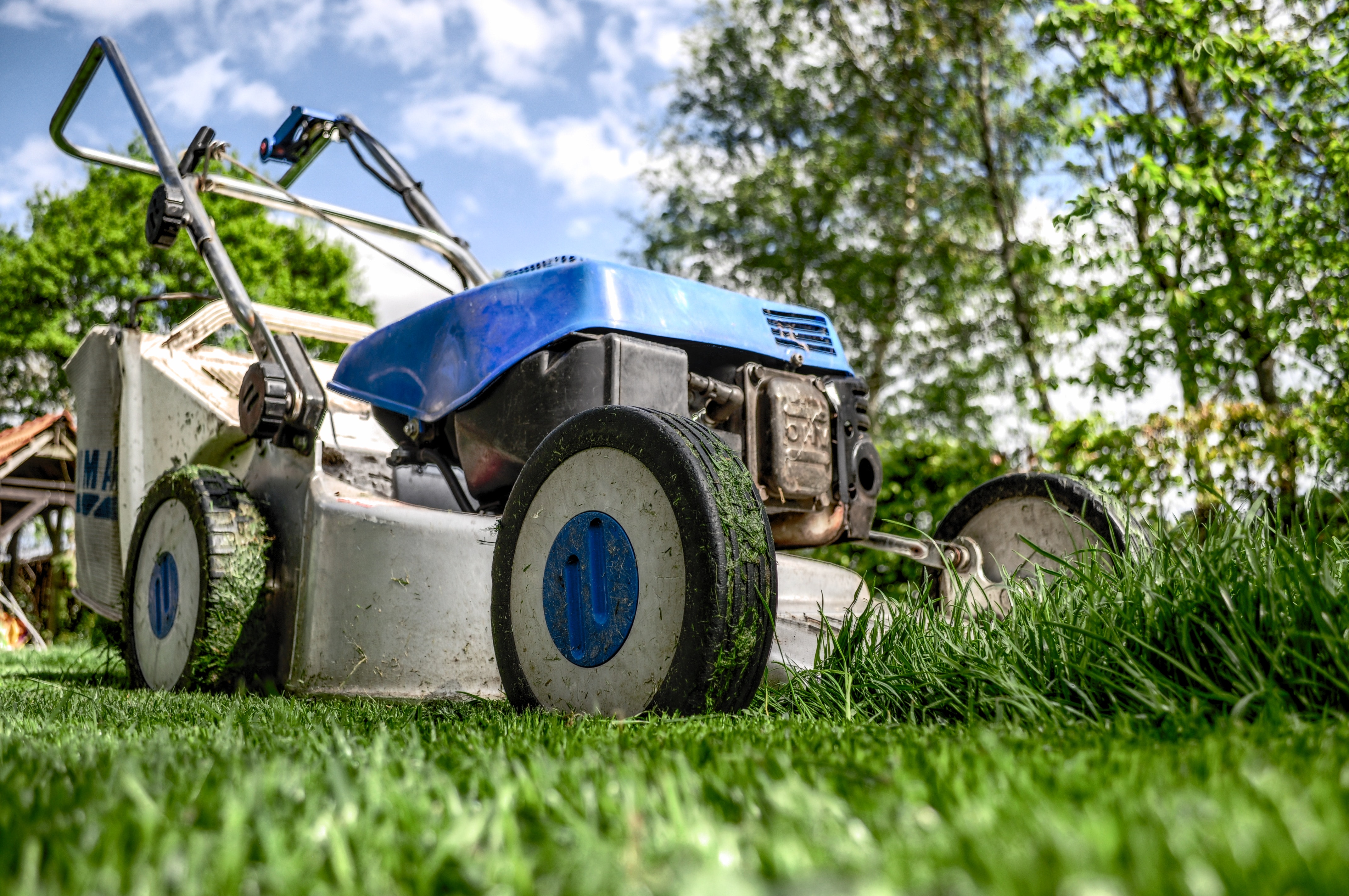
Mowing your lawn, when first starting out can be a tricky task in hand. Luckily, there is a range of tips & tricks in order to help smooth the process. In our years of gardening maintenance, we have accumulated a range of techniques & professional tips to make it easier for beginner lawn mowers. Check out our 11 tips & tricks when mowing your lawn this Summer: 1. Don’t cut the grass too short Every grass type has an optimal cutting height, and you’re better off on the high side of that height. Here are a few reasons. The grass blade is the food factory of the plant. Short blades just can’t generate as much food as long blades. Long blades also shade and cool the soil. That means weed seeds are less likely to sprout, and you won’t have to water as often because water won’t evaporate as fast. Not sure what type of grass you have? Take a sample to a garden center for identification. 2. Reduce mowing height gradually If your lawn is overgrown, gradually reduce it to the correct height over a few mows. Avoid taking too much off the leaf blade in one go as this can stress the grass and it may require additional irrigation to recover. Taking no more then one-third of the blade length each mow is a good general rule. 3. Consistent Lawn Mowing One common misconception about home lawn maintenance is that grass should be mowed at a preset schedule. In fact, the best routine is to mow your lawn when it’s necessary—not when it’s convenient.   Lawns grow at different rates depending on the season, weather, management, and species. So, how can you tell when it’s necessary to mow your lawn? Follow the “one-third” rule: Simply mow frequently enough so that no more than one-third of the leaf blade is removed in a single mowing. Removing more of the grass blade than that may stunt root growth. So if your desired lawn height is 3 inches, mow when your grass grows to 4 to 4 1/2 inches tall. 4. The Best Mowing Patterns Every time that you mow your lawn you, should change directions. This simple but powerful lawn care tip reduces soil compaction and any turf damage from mower wheels. Repeated same-direction mowing causes patterns in areas such as tree rings or median strips because it’s hard to change cut directions in these areas. As patterns develop, mowers stop adequately cutting the grass and simply push it over, causing it to lie flat on the ground. This reduces the cut quality over time. Alternatively, athletic turf managers can use patterns to create visual stimulation and interest on ball fields—this requires much more lawn maintenance and upkeep that is necessary for a home lawn, however. 5. Mowing Round Garden Objects Robot lawn mowers will have no problems mowing around most items in your garden. This is because the lawnmower reads a signal which is sent through a wire which runs around the perimeter of the cutting area, and also around any obstacles that are in the middle of the mowing area. In addition to this, all robotic lawn mowers have built-in sensors which mean that when they encounter an unexpected obstacle, they will stop, back up, turn and move in a different direction. Some newer models are also now incorporating a GPS feature which allows it to more accurately determine it’s location and avoid temporary obstacles and have a greater awareness of the edge of the mowing area. 6. Aerating your lawn Walking over the lawn and trampling it for years, tighten the soil and take all the air out from the area, that’s why you should aerate your lawn twice a year in both spring and fall. Aerating helps the root system and soil by providing air and water. It also improves nutrients penetration. Aerating is the secret of happy green lawns. 7. Mowing New Grass Newly-seeded grass needs three to four weeks to get established after germination before you should mow it for the first time. The grass blades are tender and easily damaged and the foot and mower traffic could compact the soil, especially if the soil is moist. Mow when the new grass is 3/4 inch to 1 inch taller than its recommended regular mowing height. 8. Time Your Mowing Just Right The best time of day to mow is when it’s cool outside, so in the morning or evening. Mowing when it’s cool helps keep moisture in the roots where it’s needed. It also reduces the chance of heat exhaustion. Still, the evening is preferable to the morning because this gives the grass 12 hours of darkness to heal before the sun comes up. The grass also tends to be dewy or wet from being watered in the morning, and you shouldn’t mow when the grass it wet for your own personal safety and the health of your grass. 9. Look After Your Mower Before you begin mowing, look for obstructions in the mower's blade area, particularly if the mower was just purchased. Add a little oil to the moving parts if they feel tight. If the mower is more than a year old, the blades may need to be sharpened, or your lawn will look ragged after you have mowed it. A little known fact is that new mowers have blades that aren't particularly sharp. A new mower will perform much better if the blade is sharpened before its first use. Some people are afraid of the idea of a razor-sharp mower blade, but in fact, a sharp blade cuts more efficiently and therefore is actually safer than a dull blade. It is easy enough to learn how to sharpen mower blades, but if you are unsure, your local hardware store may offer this service or be able to recommend a commercial sharpening service. A general lawnmower tune-up each spring is a good idea, especially for gasoline-powered mowers. 10. Taking Care of Your Grass Clippings Leaving your lawn clippings on the ground after mowing can be beneficial because it allows valuable nutrients to return to your lawn. Clippings contain nutrients such as nitrogen, phosphorus, and potassium, which are natural fertilizers. It'll also save you time and energy when you’re mowing. A popular myth is that leaving your clippings on your lawn after mowing can cause thatching. This is a layer of partially decomposed grass and organic matter lying between the soil and grass. As long as you mow regularly and the grass is at the same height, this won’t be a problem as your grass will break down naturally. 11. Do NOT Mow A Wet Lawn There are a few reasons why you shouldn’t mow your lawn when it’s wet. The disease can be spread through your grass when it’s wet so you need to be aware of any fungi or bacteria in your lawn. Cutting wet grass can also cause problems for your mower by sticking to its undercarriage. A good tip is to give your mower a thorough clean after use. You can also compact your soil when it’s wet, which can cause long-term damage. If you are going to mow when it’s wet, a good tip is to have your mower blades sharpened. This is because wet grass can shred or tear instead of being cut, which can cause long-term grass damage. You could also raise your mower blades higher so you cut less grass, which will cause fewer problems for your lawn. ...

Garden renovations can range from the simple and straightforward to the opulent and outrageous. Here are 12 examples that could inspire you to make changes to your own garden this year. Modernizing a small garden Source: Cateshill.com This project turned an overgrown, under-loved garden into a stunningly contemporary outdoor space complete with seating, a brazier and easy to manage stone chips in place of the unruly lawn. Adding a water feature Source: Mylandscapes.co.uk Another excellent adaptation of a limited garden that should require minimal maintenance, this transformation is achieved in part through the use of a cutting edge water feature which provides its own ambient background noise to drown out the sounds of the city. Wildlife-friendly overhaul Source: Real Homes For larger lawns or meadows, working out what to do when undertaking garden renovations can be a challenge. In this case, the owners chose to take a more natural approach and embrace plants and flowers that would attract wildlife, while also making it easier to integrate the garden with the surrounding landscape. A simple approach Source: Constructionbear.co.uk Sometimes adding greenery to a garden is the best way to bring it back to life. This typical yard space was overhauled thanks to the addition of a lawn, an area for growing vegetables, a simple paved path and a handy shed for storage. The delights of decking Source: LTM Decking might seem like something that was a hit in the 1990s and has since fallen out of favor, but with modern materials, it can be both more attractive and durable as an option. In the case of this garden renovation, the addition of decking in place of a traditional patio not only provides more choice for outdoor entertaining but also combines well with the artificial grass that has been used to replace the original lawn to make upkeep even easier. Total lawn transplant Source: D Greenslade The longer a lawn is neglected, the harder it will be to revive. Sometimes it is quicker and more cost-effective to replace it outright, adding new turf and turning a dried-out wasteland into a garden to be proud of. This project shows an especially stark contrast between the before and after shot, with the addition of raised flower beds to go along with the newly minted lawn helping to add a bit of structure and symmetry to space, as well as a splash of color. Coping with shade Source: Mike Venables Lawns, plants and flowers need lots of sunlight to thrive. Unfortunately many gardens do not have this luxury, with shade often stunting growth and leaving certain areas looking a little worse for wear. Garden renovations can address this by converting shady areas to keep them looking neat and tidy without relying on regular exposure to the sun. In the case of this job, the addition of irregular slabs along with gravel and plants that are adapted to thrive in shaded positions helped to overcome these issue. Covered seating for all-weather enjoyment Source: LivvyLand For a lot of people, garden renovations may involve the erection of a conservatory. This is the kind of structure that allows you to feel like you are experiencing the best that your garden has to offer while keeping the wind, rain and cold temperatures at bay. However, anyone who has been in a conservatory in the warmer months will realise that it can quickly generate a greenhouse-like atmosphere inside, which means you will be leaving the windows and doors open most of the time. With that in mind, an alternative option is to create a sheltered seating area like the one in this example, turning standard decking into something that is well suited to the changeable climate of the UK. Maintaining neutral wood tones rather than bold colours helps the structure of the roofed deck to feel less of an imposing feature and more of a natural convenience. A little lawn is better than none Source: FF Decking, paving and poured concrete are all well and good from a practical perspective, but garden renovations that go too far and get rid of what little lawn is available can be more of a problem in the long term. Working to preserve the lawn and integrate it with a newly restored, renovated garden is generally the best option, unless you have no other choice. This project provides a compelling example of how this can play out with a raised bed that blends seamlessly with the brickwork of the existing wall, an area of grass that is inviting without being overwhelming and a brick-laid section at the rear which acts as a sun trap for a spot of afternoon relaxation. Scaling back foliage Source: Pinterest When a space is so small that the word ‘garden’ is almost not applicable, you might think that your options for renovation are limited. What you will often find is that you can make much better use of the space that is available by subtracting from it, rather than making additions. In this example, the garden is made to look and feel a lot larger than before because the plants and trees that were previously taking up room were removed and replaced with smaller, less obtrusive alternatives. Eliminating some foliage in favour of a simpler look can have other benefits, such as improving the health of the plants that remain, getting rid of the shade that might have been hampering your sunbathing efforts and making your garden look a lot neater. Reviving ponds Source: RichEarth Millions of people have ponds in their gardens and many will choose to include one as part of a total overhaul. However, if you already have a pond in place it can begin to look tired and unkempt over time, as aquatic plant life flourishes into a tangled mess and the structure of the pond succumbs to wear and tear. There are a number of ways to address this and it is generally sensible to seek professional assistance with any pond-related issues, because it is easy to unbalance this delicate ecosystem if you are not careful. In the case of this pond renovation, the murky water has been refreshed, the plants have been kept at bay, the surrounding walls have been converted to look like natural rock rather than something artificial and many other tweaks have been made to complete the revival. Injecting rural charm Source: CMD There are a lot of ways to put the finishing touches to garden renovations, from the plants you pick to the pots and beds you choose. The designers of this project went one step further and added a rustic-looking fence along one side of the lawn. This demonstrates that the practical aspects of any garden can also be chosen because of their aesthetic impact. If you have a vision for what you want to achieve with your garden renovation, there are lots of ways to go about it and thinking carefully about the fencing is just one of them. Like the other projects covered, this example makes excellent use of the space available, ensuring that there is room for growing, relaxing and playing without having to make many compromises....

Looking for landscape design ideas is the best way to help shape your plans for the coming year and get inspiration from the compelling creations that experts in the field have developed. The following 8 landscape gardening designs will be a great starting point, giving you the fuel you need to get your own creative juices flowing. Whether you adopt one idea or pick and choose elements from several, 2019 is the year to realise your garden design dreams. Work With Wood In Compact Spaces The trend for decking rose to prominence in the 1990s and fell out of favour fairly soon afterwards. However, wood can be an excellent material to choose if you have a limited area of land to work with. Part of the appeal of wooden decking is that it retains a natural look while being immensely durable, so long as it is properly treated during installation. Combining it with modern balustrades and counterpointing it with greenery is a great option for attractive urban gardens. Be aware that working with wooden decking can be difficult, both from a design and installation perspective. Getting landscape gardening architects to assist you at this point is a good move, since that way you will not have to compromise on any element, or struggle with the execution of your plans. Reuse & Recycle The increased awareness surrounding the dangers of plastic waste generated in the past couple of years means that more people are looking to live their lives in a more sustainable, environmentally friendly way. There is no reason that landscape gardening designs cannot reflect this ethos as well. Turning the plastic shells of unwanted electronic devices into flower pots is a great example of this modern movement. If you do not have any outdated equipment to hand at home, you can visit your local recycling centre to find good that others have discarded to fill the same role. Embrace Raised Beds Raised beds provide a number of benefits, ranging from ease of maintenance to overall attractiveness and improved safety from pests for your plants. Adding raised beds is one of the best garden landscaping ideas because it is also quick, easy and less disruptive than digging out a bed into the lawn itself. If you decide to move the beds at a later date or remove them altogether, you can restore your garden to its former state without lots of time and effort. Another advantage of raised beds is that they can be positioned on pieces of land that do not have access to soil. For paved spaces, cramped gardens and regions where the quality of the soil is fairly poor, this can be a boon. Sheds As Usable Spaces For most people, a shed will be little more than a weatherproof storage area for all of the detritus they use to keep their garden looking trim. With the help of landscape gardening architects, this space can become attractive and practical, rather than dank and cluttered. This year, why not invest in a shed that you can use as an extra room, with windows, furniture and electricity to allow for all sorts of activities. Whether you want a place to craft and create, a workshop to build and design, an area for the kids to play or an outdoor bar to entertain guests in the summer, a shed can fulfill a range of requirements. Bring Fencing To Life You might not think of your garden fence as an integral part of the landscaping process, but in actuality it can be a great canvas to use as a contrast to the plant life and structures you choose. This is especially relevant if the fencing is doing more than just defining a boundary between gardens, since in many cases it may be used to disguise something unsightly, which means that it too needs to appeal to the eye of the beholder. Instead of painting your fence in a natural colour, retaining the look of the wood or using a darker treatment on its surface, why not opt for lighter hues? When it comes to garden design ideas, photos of the possible outcomes will be worth studying before you take the plunge, allowing you to plan your fence paint choice and match this to the flowers you will be growing to get the best results. Gravel Is Your Friend Visit any number of the world’s most prominent public gardens and you will often find that the paths that ring the beds and lawns are laid with gravel. There are a number of good reasons for this, from the effective drainage properties to the low maintenance and weed resistance that it offers. Adopting similar landscape design ideas may not be completely practical in a domestic space, but the benefits of gravel are applicable even in the smallest gardens. If a paved path is a little too unnatural or inappropriate for the rest of your layout, consider gravel as a viable alternative. Revamp With Vegetables Flowers are undeniably attractive, but they offer little practical benefit to gardeners. If you want to support plant life that looks good and also has a secondary use, you could turn your flower beds into vegetable patches and create a kitchen garden that will make you the envy of your neighbours. Veg can grow, flower, fill your garden with colour and then supply you with tasty, organically grown treats to supplement your grocery shopping throughout the season. For businesses that have gardens to tend, this is another of the many worthwhile garden landscaping ideas to consider, since customers will appreciate both the novelty and the sustainability of vegetable patches being used in place of decorative flower beds. Make Use Of Mirrored Surfaces When it comes to man-made ornamentation for your garden, you have a host of options available, each of which has its positive points and potential pitfalls. You might be drawn to using classic stone-hewn creations to adorn your outdoor areas, not considering that there are other materials that can have their own impressive impact once installed. Sculptures with reflective exteriors are an excellent choice in this respect, since they can both draw the eye while mirroring the world around them. This lets you double down on the other landscape design ideas that you have adopted, allowing them to echo, expand and replicate when seen in the surface of a mirrored object. For those on a budget, adding a mirror to a garden wall or fence and surrounding it with greenery to make it less conspicuous can be an effective strategy. This is not just cost effective, but also allows you to give the impression that a small space is actually a lot larger. Most of all, when thinking about landscape design ideas to pursue in 2019, it is sensible to get started with planning as soon as possible to ensure that you have enough time to set up and enjoy the results of your labours later in the year. Image Links: Reuse & Recycle, Work With Wood In Compact Spaces, Embrace Raised Beds, Sheds As Usable Spaces, Bring Fencing To Life, Gravel Is Your Friend, Revamp With Vegetables, Make Use Of Mirrors...