

gardening advice Tag

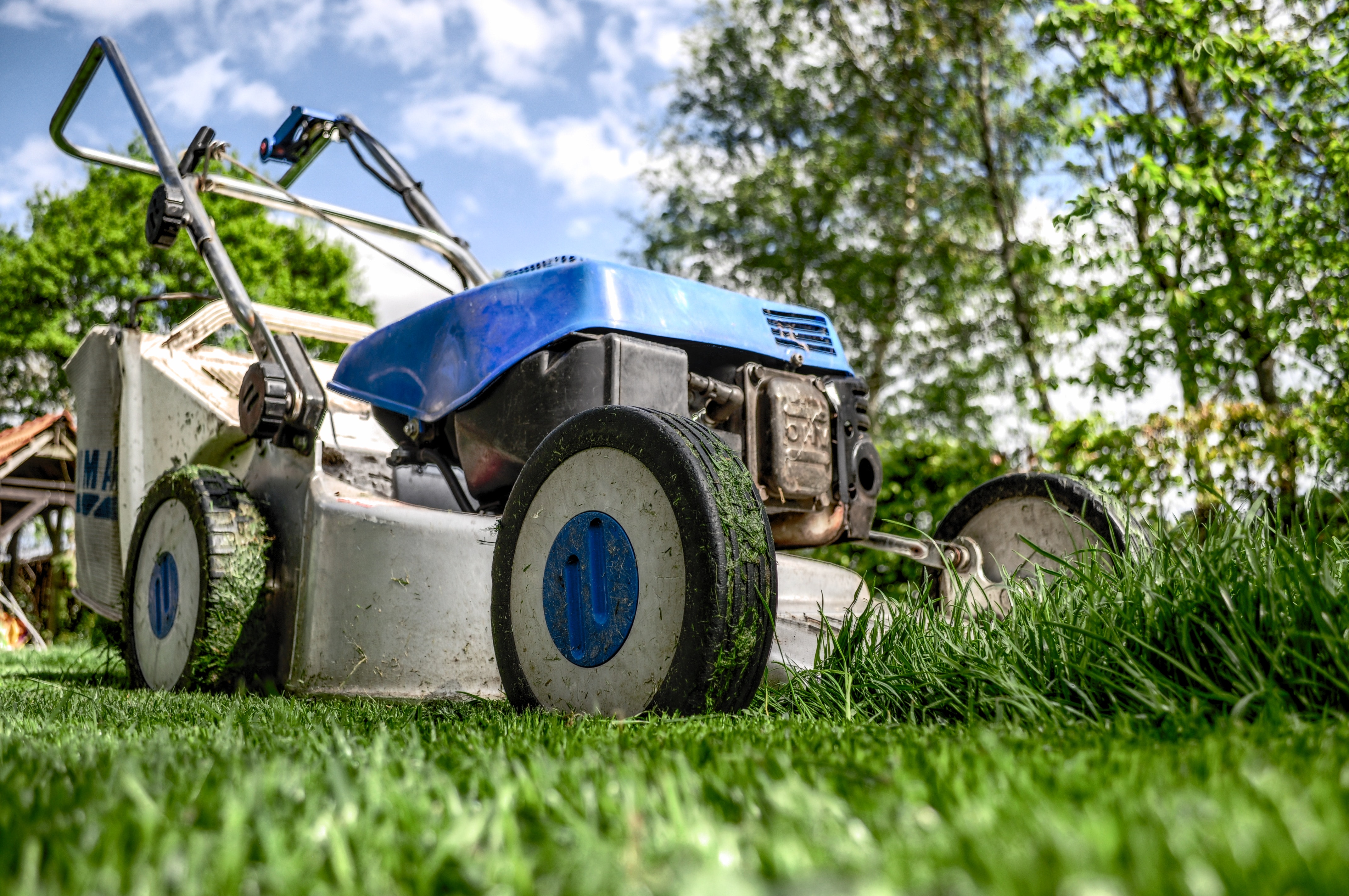
Mowing your lawn, when first starting out can be a tricky task in hand. Luckily, there is a range of tips & tricks in order to help smooth the process. In our years of gardening maintenance, we have accumulated a range of techniques & professional tips to make it easier for beginner lawn mowers. Check out our 11 tips & tricks when mowing your lawn this Summer: 1. Don’t cut the grass too short Every grass type has an optimal cutting height, and you’re better off on the high side of that height. Here are a few reasons. The grass blade is the food factory of the plant. Short blades just can’t generate as much food as long blades. Long blades also shade and cool the soil. That means weed seeds are less likely to sprout, and you won’t have to water as often because water won’t evaporate as fast. Not sure what type of grass you have? Take a sample to a garden center for identification. 2. Reduce mowing height gradually If your lawn is overgrown, gradually reduce it to the correct height over a few mows. Avoid taking too much off the leaf blade in one go as this can stress the grass and it may require additional irrigation to recover. Taking no more then one-third of the blade length each mow is a good general rule. 3. Consistent Lawn Mowing One common misconception about home lawn maintenance is that grass should be mowed at a preset schedule. In fact, the best routine is to mow your lawn when it’s necessary—not when it’s convenient.   Lawns grow at different rates depending on the season, weather, management, and species. So, how can you tell when it’s necessary to mow your lawn? Follow the “one-third” rule: Simply mow frequently enough so that no more than one-third of the leaf blade is removed in a single mowing. Removing more of the grass blade than that may stunt root growth. So if your desired lawn height is 3 inches, mow when your grass grows to 4 to 4 1/2 inches tall. 4. The Best Mowing Patterns Every time that you mow your lawn you, should change directions. This simple but powerful lawn care tip reduces soil compaction and any turf damage from mower wheels. Repeated same-direction mowing causes patterns in areas such as tree rings or median strips because it’s hard to change cut directions in these areas. As patterns develop, mowers stop adequately cutting the grass and simply push it over, causing it to lie flat on the ground. This reduces the cut quality over time. Alternatively, athletic turf managers can use patterns to create visual stimulation and interest on ball fields—this requires much more lawn maintenance and upkeep that is necessary for a home lawn, however. 5. Mowing Round Garden Objects Robot lawn mowers will have no problems mowing around most items in your garden. This is because the lawnmower reads a signal which is sent through a wire which runs around the perimeter of the cutting area, and also around any obstacles that are in the middle of the mowing area. In addition to this, all robotic lawn mowers have built-in sensors which mean that when they encounter an unexpected obstacle, they will stop, back up, turn and move in a different direction. Some newer models are also now incorporating a GPS feature which allows it to more accurately determine it’s location and avoid temporary obstacles and have a greater awareness of the edge of the mowing area. 6. Aerating your lawn Walking over the lawn and trampling it for years, tighten the soil and take all the air out from the area, that’s why you should aerate your lawn twice a year in both spring and fall. Aerating helps the root system and soil by providing air and water. It also improves nutrients penetration. Aerating is the secret of happy green lawns. 7. Mowing New Grass Newly-seeded grass needs three to four weeks to get established after germination before you should mow it for the first time. The grass blades are tender and easily damaged and the foot and mower traffic could compact the soil, especially if the soil is moist. Mow when the new grass is 3/4 inch to 1 inch taller than its recommended regular mowing height. 8. Time Your Mowing Just Right The best time of day to mow is when it’s cool outside, so in the morning or evening. Mowing when it’s cool helps keep moisture in the roots where it’s needed. It also reduces the chance of heat exhaustion. Still, the evening is preferable to the morning because this gives the grass 12 hours of darkness to heal before the sun comes up. The grass also tends to be dewy or wet from being watered in the morning, and you shouldn’t mow when the grass it wet for your own personal safety and the health of your grass. 9. Look After Your Mower Before you begin mowing, look for obstructions in the mower's blade area, particularly if the mower was just purchased. Add a little oil to the moving parts if they feel tight. If the mower is more than a year old, the blades may need to be sharpened, or your lawn will look ragged after you have mowed it. A little known fact is that new mowers have blades that aren't particularly sharp. A new mower will perform much better if the blade is sharpened before its first use. Some people are afraid of the idea of a razor-sharp mower blade, but in fact, a sharp blade cuts more efficiently and therefore is actually safer than a dull blade. It is easy enough to learn how to sharpen mower blades, but if you are unsure, your local hardware store may offer this service or be able to recommend a commercial sharpening service. A general lawnmower tune-up each spring is a good idea, especially for gasoline-powered mowers. 10. Taking Care of Your Grass Clippings Leaving your lawn clippings on the ground after mowing can be beneficial because it allows valuable nutrients to return to your lawn. Clippings contain nutrients such as nitrogen, phosphorus, and potassium, which are natural fertilizers. It'll also save you time and energy when you’re mowing. A popular myth is that leaving your clippings on your lawn after mowing can cause thatching. This is a layer of partially decomposed grass and organic matter lying between the soil and grass. As long as you mow regularly and the grass is at the same height, this won’t be a problem as your grass will break down naturally. 11. Do NOT Mow A Wet Lawn There are a few reasons why you shouldn’t mow your lawn when it’s wet. The disease can be spread through your grass when it’s wet so you need to be aware of any fungi or bacteria in your lawn. Cutting wet grass can also cause problems for your mower by sticking to its undercarriage. A good tip is to give your mower a thorough clean after use. You can also compact your soil when it’s wet, which can cause long-term damage. If you are going to mow when it’s wet, a good tip is to have your mower blades sharpened. This is because wet grass can shred or tear instead of being cut, which can cause long-term grass damage. You could also raise your mower blades higher so you cut less grass, which will cause fewer problems for your lawn. ...

Garden renovations can range from the simple and straightforward to the opulent and outrageous. Here are 12 examples that could inspire you to make changes to your own garden this year. Modernizing a small garden Source: Cateshill.com This project turned an overgrown, under-loved garden into a stunningly contemporary outdoor space complete with seating, a brazier and easy to manage stone chips in place of the unruly lawn. Adding a water feature Source: Mylandscapes.co.uk Another excellent adaptation of a limited garden that should require minimal maintenance, this transformation is achieved in part through the use of a cutting edge water feature which provides its own ambient background noise to drown out the sounds of the city. Wildlife-friendly overhaul Source: Real Homes For larger lawns or meadows, working out what to do when undertaking garden renovations can be a challenge. In this case, the owners chose to take a more natural approach and embrace plants and flowers that would attract wildlife, while also making it easier to integrate the garden with the surrounding landscape. A simple approach Source: Constructionbear.co.uk Sometimes adding greenery to a garden is the best way to bring it back to life. This typical yard space was overhauled thanks to the addition of a lawn, an area for growing vegetables, a simple paved path and a handy shed for storage. The delights of decking Source: LTM Decking might seem like something that was a hit in the 1990s and has since fallen out of favor, but with modern materials, it can be both more attractive and durable as an option. In the case of this garden renovation, the addition of decking in place of a traditional patio not only provides more choice for outdoor entertaining but also combines well with the artificial grass that has been used to replace the original lawn to make upkeep even easier. Total lawn transplant Source: D Greenslade The longer a lawn is neglected, the harder it will be to revive. Sometimes it is quicker and more cost-effective to replace it outright, adding new turf and turning a dried-out wasteland into a garden to be proud of. This project shows an especially stark contrast between the before and after shot, with the addition of raised flower beds to go along with the newly minted lawn helping to add a bit of structure and symmetry to space, as well as a splash of color. Coping with shade Source: Mike Venables Lawns, plants and flowers need lots of sunlight to thrive. Unfortunately many gardens do not have this luxury, with shade often stunting growth and leaving certain areas looking a little worse for wear. Garden renovations can address this by converting shady areas to keep them looking neat and tidy without relying on regular exposure to the sun. In the case of this job, the addition of irregular slabs along with gravel and plants that are adapted to thrive in shaded positions helped to overcome these issue. Covered seating for all-weather enjoyment Source: LivvyLand For a lot of people, garden renovations may involve the erection of a conservatory. This is the kind of structure that allows you to feel like you are experiencing the best that your garden has to offer while keeping the wind, rain and cold temperatures at bay. However, anyone who has been in a conservatory in the warmer months will realise that it can quickly generate a greenhouse-like atmosphere inside, which means you will be leaving the windows and doors open most of the time. With that in mind, an alternative option is to create a sheltered seating area like the one in this example, turning standard decking into something that is well suited to the changeable climate of the UK. Maintaining neutral wood tones rather than bold colours helps the structure of the roofed deck to feel less of an imposing feature and more of a natural convenience. A little lawn is better than none Source: FF Decking, paving and poured concrete are all well and good from a practical perspective, but garden renovations that go too far and get rid of what little lawn is available can be more of a problem in the long term. Working to preserve the lawn and integrate it with a newly restored, renovated garden is generally the best option, unless you have no other choice. This project provides a compelling example of how this can play out with a raised bed that blends seamlessly with the brickwork of the existing wall, an area of grass that is inviting without being overwhelming and a brick-laid section at the rear which acts as a sun trap for a spot of afternoon relaxation. Scaling back foliage Source: Pinterest When a space is so small that the word ‘garden’ is almost not applicable, you might think that your options for renovation are limited. What you will often find is that you can make much better use of the space that is available by subtracting from it, rather than making additions. In this example, the garden is made to look and feel a lot larger than before because the plants and trees that were previously taking up room were removed and replaced with smaller, less obtrusive alternatives. Eliminating some foliage in favour of a simpler look can have other benefits, such as improving the health of the plants that remain, getting rid of the shade that might have been hampering your sunbathing efforts and making your garden look a lot neater. Reviving ponds Source: RichEarth Millions of people have ponds in their gardens and many will choose to include one as part of a total overhaul. However, if you already have a pond in place it can begin to look tired and unkempt over time, as aquatic plant life flourishes into a tangled mess and the structure of the pond succumbs to wear and tear. There are a number of ways to address this and it is generally sensible to seek professional assistance with any pond-related issues, because it is easy to unbalance this delicate ecosystem if you are not careful. In the case of this pond renovation, the murky water has been refreshed, the plants have been kept at bay, the surrounding walls have been converted to look like natural rock rather than something artificial and many other tweaks have been made to complete the revival. Injecting rural charm Source: CMD There are a lot of ways to put the finishing touches to garden renovations, from the plants you pick to the pots and beds you choose. The designers of this project went one step further and added a rustic-looking fence along one side of the lawn. This demonstrates that the practical aspects of any garden can also be chosen because of their aesthetic impact. If you have a vision for what you want to achieve with your garden renovation, there are lots of ways to go about it and thinking carefully about the fencing is just one of them. Like the other projects covered, this example makes excellent use of the space available, ensuring that there is room for growing, relaxing and playing without having to make many compromises....

A luscious, green lawn is every gardener’s dream. But all too often, pesky weeds pop up and turn dreams into nightmares. Our customers are always asking us how to keep weeds at bay and make sure lawns stay in tip-top condition. So we’ve put together the following handy guide for lawn weed control… The Issues of Weed Control   For most gardeners and homeowners, the issue with weeds is purely aesthetic. While it’s true that one man’s weed is another man’s wildflower, the majority of people want a lawn that’s lush with thick, green, regular blades of grass – without daisies, dandelions, moss and other common culprits ruining the effect. The problem with weeds is that they are very good at growing! This is really why we have come to think of certain plants as weeds. Lawn weed control can seem like a never-ending battle as repeat offenders pop up time and time again. Another dilemma faced by gardeners is how to remove weeds from a lawn without chemicals. The green-fingered community often cares deeply about wildlife and the environment and are reluctant to use chemical weed killer for lawns. In this guide, we’ll outline some simple lawn maintenance tips you can follow to stop weeds in your lawn from getting out of control – as well as some natural weed killer ideas that you can try if you want to move away from chemical weed killer sprays.   The Best Weed Removal Techniques   If you look at your lawn and see a weed-strewn, patchy plot, it may be tempting to reach for the nearest chemical product and douse the whole area. But if you use follow good lawn maintenance tips throughout the year you can get results without using any weed killer spray at all. Cutting Down on Size How much have you thought about the way you mow your lawn? There’s more to it than simply getting the mower out and running it over your grass. Factors such as the cutting length and frequency of mowing can really make a difference when it comes to keeping your lawn weed-free. If you cut your lawn too short, the grass can be damaged, making it easier for weeds to get a hold in the soil. Too long, and the weeds are able to grow high enough to seed and multiply. When it comes to mowing, you should only remove about a third of the length – which will mean more regular mowing is required during the spring and summer months. Using Your Pulling Power One of the best ways to tackle weeds is simply to pull them up. It may seem like a lot of hard work, but if you’re only tackling a small area pulling weeds up from the root is one of the best weed removal techniques to banish them for good! A useful tip is to pull up weeds after watering or when the soil is wet, as the roots will loosen much more easily. Give Your Grass Room to Breathe by Scarifying Scarifying your lawn in autumn will help rid it of moss and smaller weeds, allowing light, water and air to get to the soil more easily. This involves raking over the lawn with a springy rake to loosen moss and weeds. Edge Your Lawns to Stop the Spread Aside from the look of your lawn, gardeners can also face issues when lawn weeds encroach into neighbouring flowerbeds. A simple solution to this is to add edging such as bricks or wood. Make sure it’s at least six inches deep into the soil to stop roots from crawling underneath. Mulch Neighbouring Flowerbeds Another alternative to edging your lawn is to use newspaper and/or mulch around borders. Place a layer of newspaper on the soil where you don’t want weeds to appear, then add a layer of mulch on top. Just like any plant, the lack of light will prevent weeds from growing. Bear in mind this applies to grass too, so this technique is best used to keep lawn weeds out of borders.   The Best Weed Killer Home Remedies With growing concerns about wildlife and the environment, a lot of our customers want to know if there are alternatives to chemical weed killers. How to remove weeds from a lawn without chemicals is also something that’s high up on the agenda for pet owners, or families with young children. The good news is that organic and natural weed killers are available in many shops and garden centres. Plus there are a few tricks you can try using simple items found around the home. Say 'No' to H20 Say no to garden weeds with the simplest substance of all – water. To be more specific, boiling water. Pouring boiling water onto weeds can kill them off - make sure it’s as closing to boiling point as possible for maximum effect. Beware that this weed control technique can kill grass and other plants so it is best used around edges and paths. The Power of Salt Humble salt can be a powerful weapon in the war on weeds! Mix 1 part salt with 3 parts water to create a natural herbicide solution. Spray directly onto the leaves of weeds. Just be careful not to soak the soil as salt can affect its quality – and keep the solution away from other plants. Vinegar with that? Another useful product from your condiment cupboard is vinegar. It’s often praised for its cleaning properties but what people may not realise is that vinegar is also a natural weed killer. Put simply, it causes weeds to shrivel up and die! As with the salt solution, vinegar should be applied directly to the leaves of the weeds, taking care not to douse any nearby plants or soil.   The Best Weed Removal Tools   Dig Your Lawn If you have one or two weeds in your lawn, a hand fork or handheld weeding tool will see to the job. Spot treat lawn weeds by digging down to the root and pulling them out individually. Spring into action Invest in a springy rake for scarifying your lawn. Rake over the surface of your lawn in autumn to remove moss and allow water, light and air to reach the roots of your grass. If you’re not sure how or when to scarify, enlist the services of a professional lawncare company like Coleshill mowing. Known Your Mow Your mower probably isn’t the first tool you think of when it comes to weed control, but if you get your mowing routine right, you can make big steps to pushing out pesky plants. Cut your lawn to a height that’s neither too short nor too long – for most lawns this is about 2 ½ - 3 inches. Mow regularly and make sure you’re only cutting a third of the blade with each mow.   Useful Resources Effective Weed Tips Organic Weed Control  Weed Control: Essential Tips & Tricks ukgardening-directory.co.uk Home Improvement Companies in West Midlands ...